Mostar day trips from Trogir
Trogir is 28 km from Split and shares its Bosnia day trip options. Mostar is about 2h30 away, with guided tours picking up at Trogir harbour.
From Trogir/Split: Tour to Mostar and Kravice Waterfalls
Quick facts
- Distance to Mostar
- ~120 km (2h30 drive)
- Distance to Split
- ~28 km
- Border crossing
- Ploče / Metković (inland)
- Documents needed
- Passport or EU ID card
Trogir is a small UNESCO-listed island city connected to the Dalmatian mainland by a short bridge, 28 km west of Split. It is a popular base for travellers who find Split too busy, and it benefits from essentially the same Bosnia day trip options: tours from Trogir and Split are mostly interchangeable, with most operators picking up from both towns on the same morning circuit.
The route to Mostar from Trogir is slightly longer than from Split — about 120 km and 2h30 by road — but you avoid the Neum corridor entirely, crossing into Bosnia via a single inland border point near Ploče.
| At a glance | |
|---|---|
| Where | Trogir harbour, 28 km west of Split, joint pickup zone for Bosnia tours |
| Cost | Tour prices vary by operator; Kravice entry around 20 BAM extra |
| Time needed | A full day (around 10-12 hours door to door) |
| Getting there | Tour pickup from Trogir harbour, or self-drive via Ploče/Metković |
| Best time | May-June and September-October; avoid peak midday heat in July-August |
Why do a Bosnia day trip from Trogir
Trogir is close enough to Split that everything you can do from Split, you can do from Trogir too. The practical reasons to depart from Trogir rather than Split:
You are based in Trogir. Many travellers on sailing itineraries or slower Adriatic trips stay in Trogir specifically to avoid Split’s intensity. It is a quieter, more intimate base. Bosnia day trips depart directly from the Trogir harbour area, no need to commute to Split.
Tours pick up from both. The Split–Trogir corridor is treated as a single departure zone by most tour operators running Bosnia itineraries. The pickup from Trogir typically happens 20–30 minutes before Split, so you leave early and get slightly more time in Bosnia.
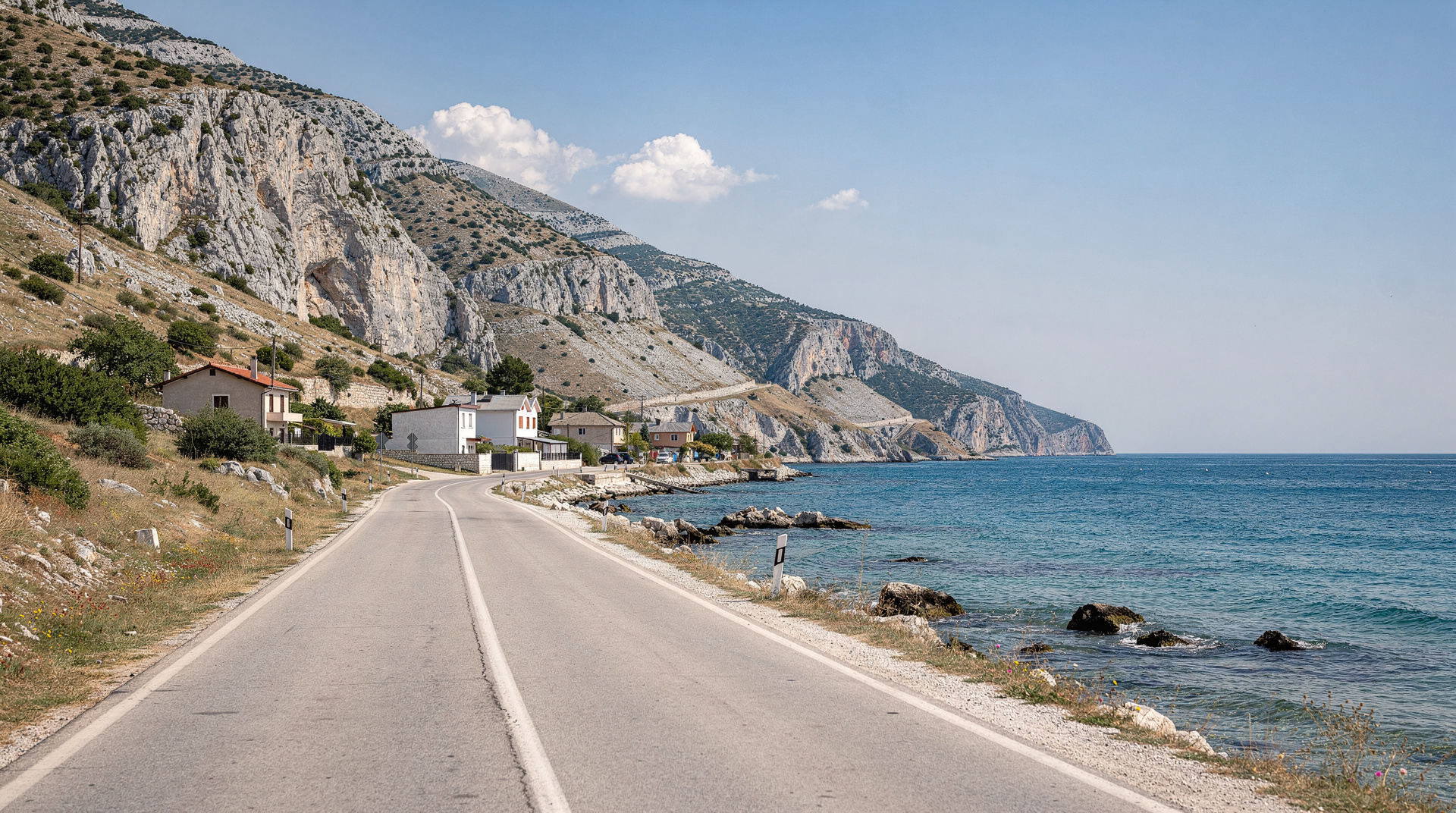
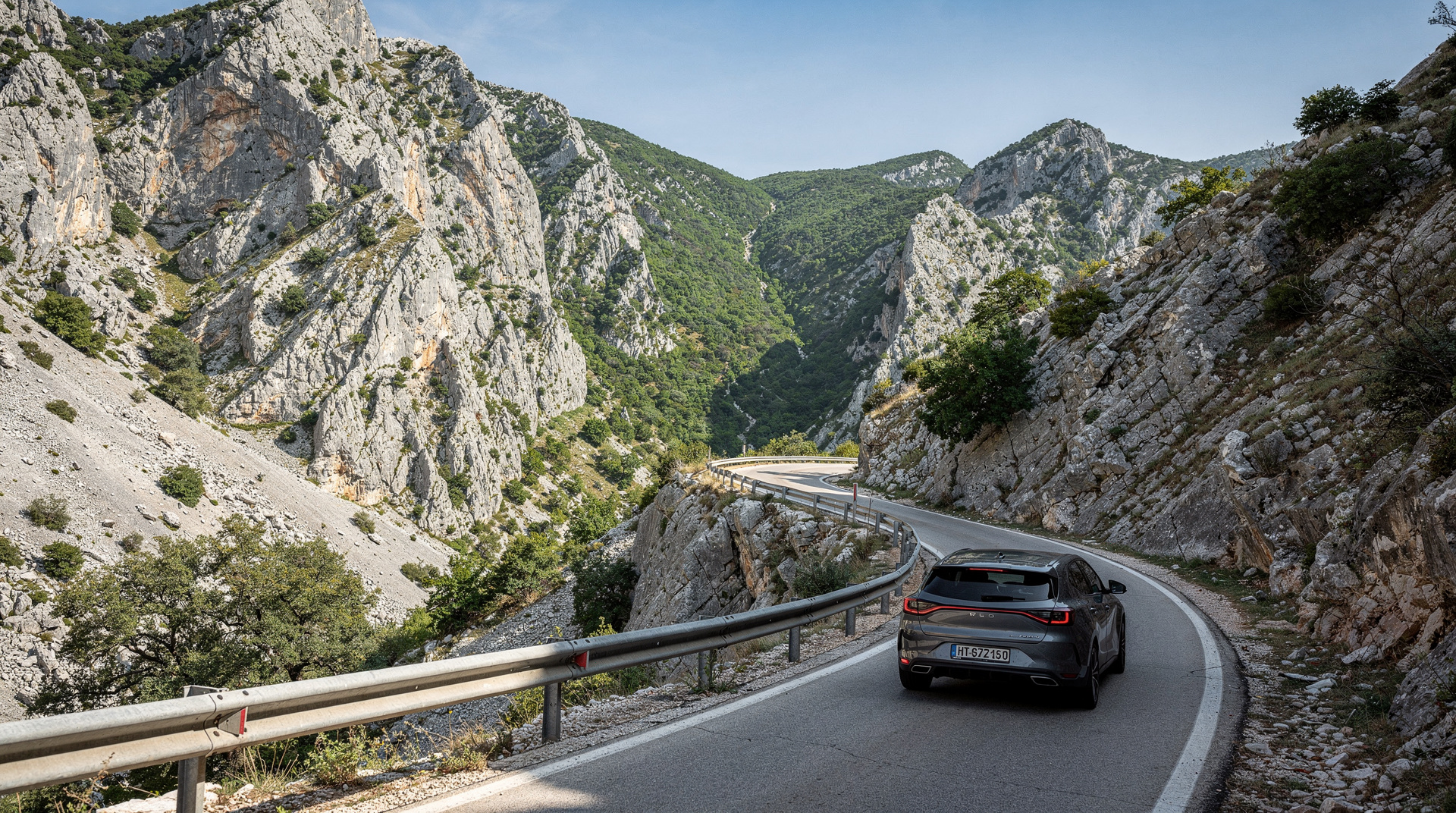
It is closer to the border than it looks. The drive south and east towards the Neretva valley border crossing is straightforward, and the road via Omiš and the Cetina canyon is scenically excellent even before you cross into BiH.
How to get to Mostar from Trogir
Driving time: Around 2h15 to 2h30 from Trogir to Mostar under normal conditions. Add 15–30 minutes for border processing in summer.
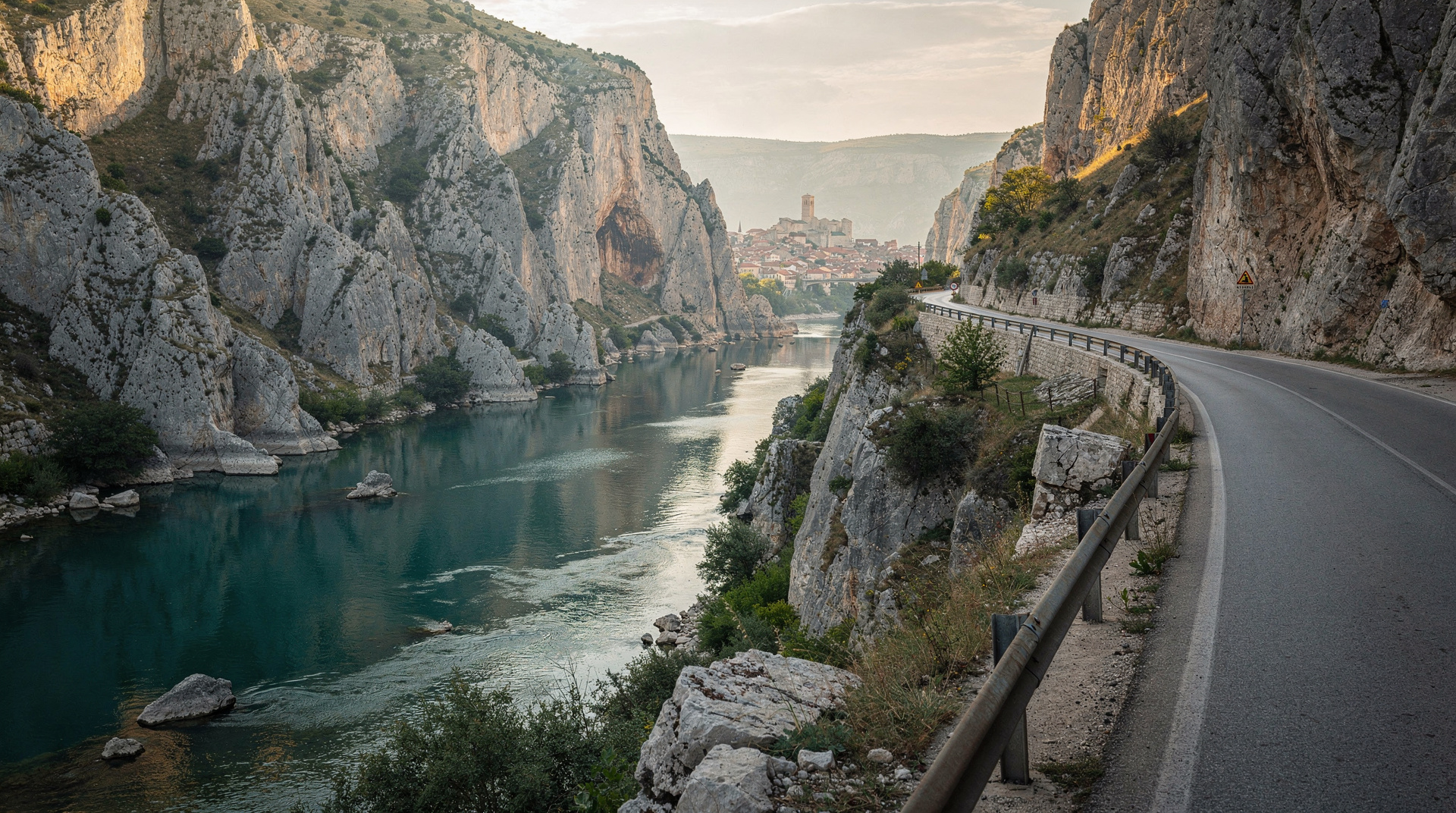
The route: The standard road goes south from Trogir along the D8 coastal route, then turns inland before Ploče towards the Bosnian border at the Metković–Doljani crossing. From there, the road follows the lower Neretva valley northeast to Mostar.
By tour: Most Bosnia tours from Trogir are joint circuits with Split. Your pickup is at the harbour or a central meeting point in Trogir; the driver continues south to pick up Split passengers before heading for Bosnia.
By bus: Buses to Mostar exist from Split (connections from Trogir to Split first required). A direct Trogir–Mostar connection is not standard — go via Split bus station.
By car: Fully feasible. Same logistics as from Split — confirm your rental car green card covers Bosnia-Herzegovina before departure. See driving Croatia to Bosnia.
Best tours from Trogir
Trogir and Split: Mostar and Kravice Waterfalls day trip — the dedicated tour that includes Trogir pickup. Covers the main Mostar sights (Stari Most, the old bazaar) and an afternoon at Kravice Falls. This is the natural starting point for any Trogir-to-Bosnia day trip.
For travellers interested in combining Mostar with Medjugorje, the small-group Split/Trogir options that include the pilgrimage village are available too — see the Split destination page for the broader lineup from the joint departure zone.
If you would rather have the vehicle and the pace to yourselves, a private tour of Mostar and the hilltop village of Počitelj lets you decide how long to linger at each stop. For a more relaxed day with a proper sit-down meal, a day trip to Mostar and the Kravice waterfalls with lunch included takes care of one decision for you.
The border crossing — no Neum complications
The Trogir–Mostar route bypasses the Neum coastal corridor entirely. You cross into Bosnia-Herzegovina once, at the Doljani or Metković border crossing near Ploče, and that is it for border stops until you return.
Documents: Full passport or EU identity card required. Schengen Area entry stamps are not sufficient — all travellers need a valid document specifically authorising entry to BiH.
Visa: Not required for stays under 90 days for EU, EEA, UK, US, Canadian or Australian citizens. Other nationalities should check current BiH visa requirements before travelling.
Border waits: Shorter on average than the Neum coastal crossings. In peak summer, 15–20 minutes is common. Out of season, the crossing is often under 5 minutes.
The Neum corridor is less relevant here since the Trogir–Mostar route does not pass through it. But if you are returning via Dubrovnik or continuing south on the coastal road, the Neum corridor crossing guide explains what to expect.
What to see once you reach Bosnia
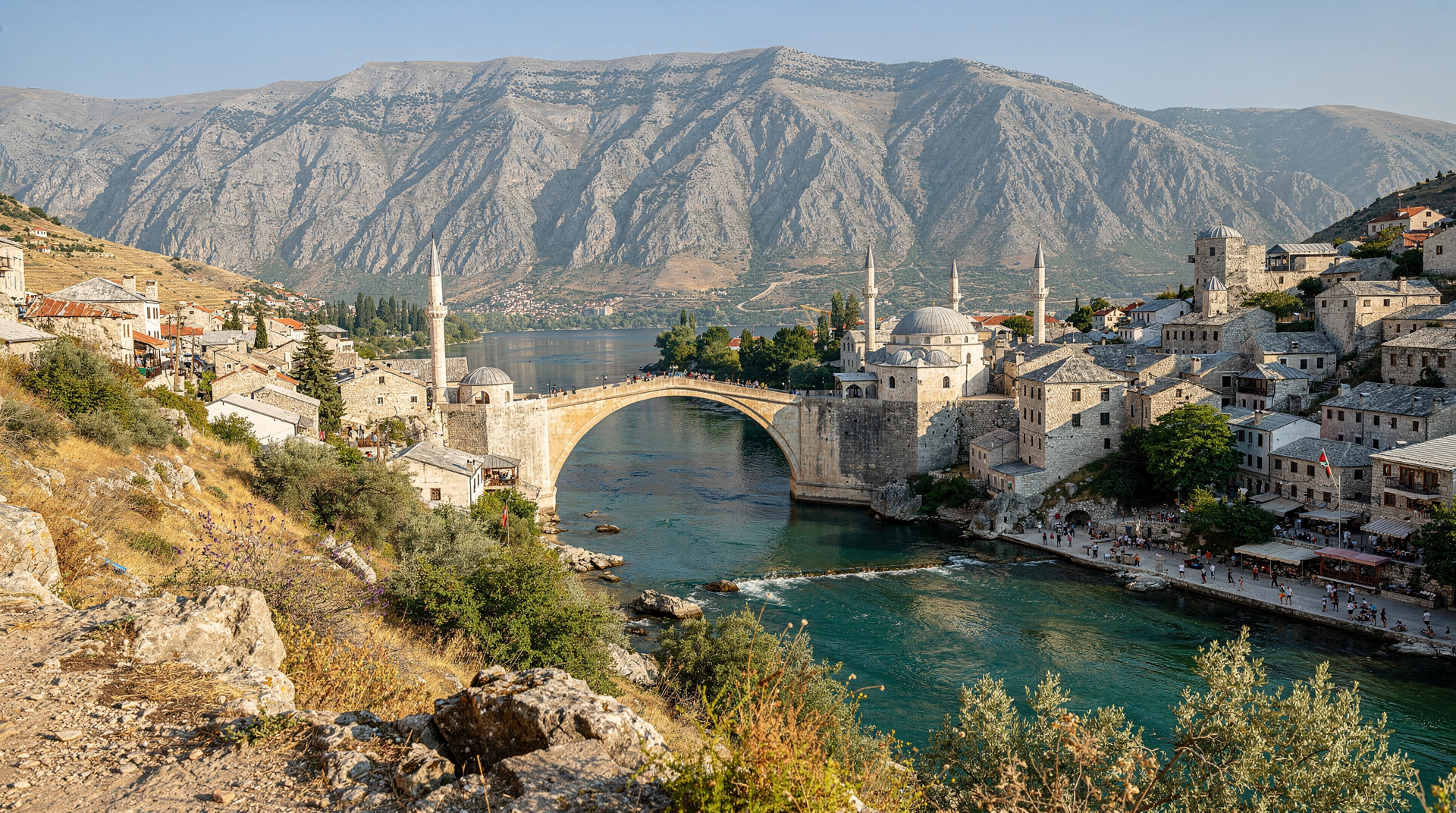
Mostar is the centrepiece. The rebuilt Stari Most bridge is one of the great sights of the Western Balkans — and unlike many famous monuments, it earns the superlatives. Stand on the bridge at midday for the full effect of the Neretva below and the old city rising on both banks.
Allow at least 3 hours in Mostar to do it justice: the bridge itself, the old bazaar (Kujundžiluk), the Koski Mehmed-Pasha Mosque (minaret climb for the best view), and lunch at one of the terrace restaurants over the river. See Stari Most guide and best restaurants in Mostar for honest recommendations.
Kravice Waterfalls are a 40-minute drive from Mostar, through rural Herzegovina. The Trebižat River fans out over a horseshoe of travertine rock into a deep, emerald pool perfect for swimming. Entry costs around 20 BAM (10 EUR). Tours from Trogir typically arrive in the early afternoon after the Mostar stop. See Kravice Waterfalls guide for the full picture including what to bring and when to visit.
Počitelj is often included as a stop on the drive south from Mostar towards the border — a fortified Ottoman hilltop village that takes about 30 minutes to explore and rewards those who climb to the top of the tower with a sweeping view over the Neretva. See Počitelj guide.
Doing it independently vs a tour
On a tour: The practical choice for a day trip from Trogir. The logistics of a single border crossing, 2h30 of driving each way, and 4–5 hours on the ground in Bosnia are all well-handled by experienced tour drivers. The Trogir-specific pickup eliminates any need to commute to Split.
Independently: Very workable if you have a car or are comfortable with Croatian/Bosnian buses. Trogir → Split (bus or taxi) → Mostar bus connection adds 45 minutes to the journey but saves money. An overnight in Mostar transforms the experience — empty old town in the evening, leisurely morning before the day-trippers arrive. See Herzegovina weekend itinerary.
Extending your trip: Trogir makes an excellent anchor for a broader Croatia–Bosnia loop. Split one day, Trogir base, Bosnia day trip, then south to Dubrovnik (crossing Neum on the way) is a classic 4–5 day Dalmatian-Herzegovina circuit.
Shaping the day once you are across the border
A Bosnia day trip from Trogir is really three small experiences stitched together by a lot of road, and it helps to decide beforehand which one matters most to you. If the old bridge and the bazaar are the point, treat Kravice as the reward and Počitelj as a bonus; if swimming is the point, be honest that Mostar will feel rushed. Most visitors who come away happy are the ones who accepted one compromise early instead of fighting the clock all afternoon.
In Mostar, resist the urge to photograph the bridge from the first spot you find. Walk both banks, look at it from the lower terraces and from the street above, and only then decide where to sit for lunch. The history behind the rebuilt span adds a great deal to the visit, and the Mostar old bridge story and Mostar war history guide are worth reading on the bus or in the car, before you arrive rather than after. If you want to understand the diving tradition and the tips culture around it, the truth about the Mostar bridge divers is a candid read, and Mostar tourist traps will save you from the most obvious souvenir and restaurant mistakes.
Kravice is best approached with low expectations about solitude and high expectations about scenery. Bring shoes you can walk in on wet rock, keep valuables in a waterproof bag, and give yourself a few minutes simply to look before getting in the water. The Kravice Waterfalls destination page covers the setting in more detail, and the Kravice Falls in summer blog post gives a first-person sense of the crowds and the atmosphere.
Počitelj is the stop people most often regret skipping. It is quiet, vertical and photogenic, and it gives you a very different picture of Herzegovina from the busy bridge. Read the Počitelj Ottoman village guide if you want context on what you are climbing past.
If you would rather stay longer in Bosnia
Many people leave Trogir intending to do a single day trip and return wishing they had planned two nights. Bosnia rewards slowness, and the coast-to-Mostar run is only the doorway. If the day trip whets your appetite, the Mostar destination page and where to stay in Mostar are the natural next steps, and the Mostar day trips from Split vs Dubrovnik comparison helps you weigh where to base yourself on the coast. For a longer loop that links Dalmatia with the interior, the Croatia and Bosnia two-week itinerary shows one way to combine the two without constant backtracking, and how many days in Bosnia is a useful reality check on how much you can reasonably fit in.
Travellers who are curious about the food will find that a long lunch in Mostar is itself a highlight; the Bosnian food guide explains what to order, and the Bosnian coffee culture guide shows why you should not rush the cup that comes with it. If you are comparing the two countries for a first Balkan trip, Bosnia vs Croatia gives a balanced picture of what each does best.
Planning around the weather and the season
The coast and the interior can feel like different climates on the same day. A warm, breezy morning in Trogir does not guarantee the same conditions in the Neretva valley, so pack layers you can shed and a light waterproof for shoulder-season trips. The best time to visit Bosnia guide goes through the seasons, and the Bosnia in summer page is especially useful if you are travelling in the hottest months and want to plan the hours of the day sensibly. Start early, keep water with you, and plan the swim for the hottest part of the afternoon rather than the walking.
Practical info
What to bring: Passport or EU ID card (mandatory for BiH entry), a small amount of BAM for entry fees and drinks (ATMs in Mostar if needed), swimsuit and sunscreen if visiting Kravice in warm weather.
Money: Bosnia uses BAM. 1 EUR = 1.95583 BAM. EUR is accepted at tourist spots in Mostar but at a slightly worse rate. For the full guide, see Bosnia money and currency guide.
Language: English is widely spoken in Mostar’s tourist zone. Italian and German are also common (many visitors come from Italian- and German-speaking countries).
Best time: May–June and September–October for ideal temperatures and manageable crowds. Kravice in July and August is beautiful but packed by early afternoon.
Spending time in Trogir itself
Because the day trip is long, it is worth arranging the evenings on either side so that you are not exhausted before you start. Trogir’s old town is compact and pleasant to wander at dusk once the day visitors have gone, which makes it a gentle way to wind down after a full day on the road. Eat reasonably early the night before, set out your passport, swimsuit and a little cash, and you will be ready for the harbour pickup without fuss. After the trip, a slow walk along the waterfront is a much better reward than a rushed dinner, and it gives you time to compare notes with fellow passengers about which stop you enjoyed most.
If you are still deciding how the Bosnia leg fits into a wider Dalmatian trip, the Split to Sarajevo route and the Bosnia travel guide are good places to start, and Mostar from Split remains the closest equivalent write-up for the same tours.
Trogir vs Split as your Bosnia departure point
Since tours pool passengers from both towns, the practical difference is mostly about where you sleep, not what you see in Bosnia. Trogir is quieter and smaller, with a genuine UNESCO old town you can walk in 20 minutes — a better fit if you dislike Split’s summer crowds and cruise-ship traffic. Split has more onward transport options (bus, ferry, train) and a larger evening scene. Since the Trogir pickup happens before Split, you also get a few extra minutes on the ground in Bosnia. See the Split destination page for the equivalent guide from that side.
Frequently asked questions about Mostar day trips from Trogir
Is it better to do a Bosnia day trip from Trogir or from Split? Logistically they are nearly identical, since most tour operators run a single joint pickup circuit — choose based on where you prefer to stay overnight, not on the Bosnia itinerary itself.
Do I need a visa to cross from Trogir into Bosnia for the day? Most nationalities (EU, EEA, UK, US, Canada, Australia) do not need a visa for stays under 90 days, but you must carry a passport or EU ID card — check current requirements if you hold another nationality.