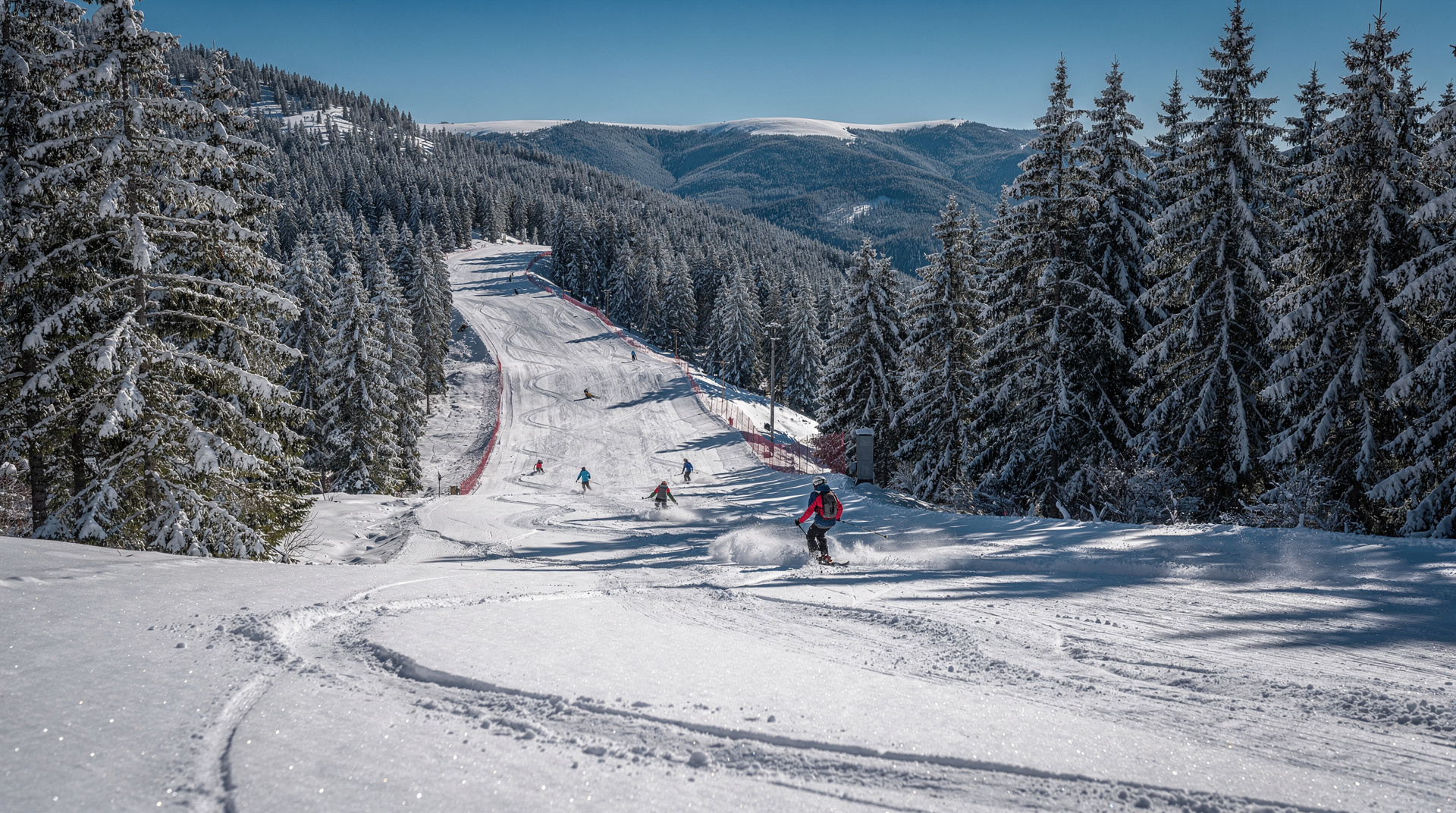
Winter in Sarajevo — a case for going in the cold
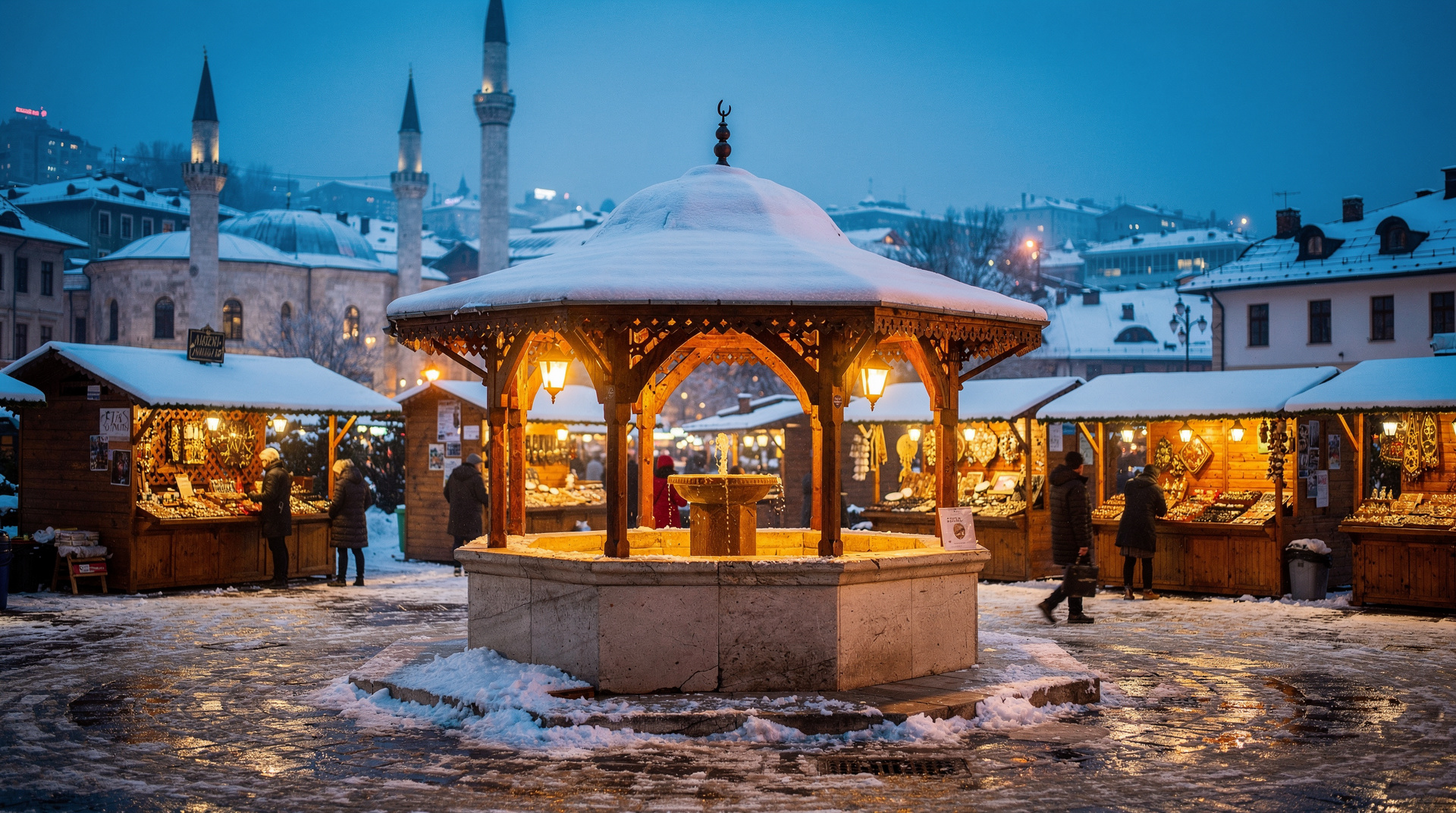
There is a particular version of Sarajevo that exists only in December, January, and February. The old town minarets carry snow on their shoulders. The cobblestones of Baščaršija are slick and empty of tourists. The kafanas are warm and full of regular customers nursing tea and coffee. And thirty minutes’ drive away, ski runs that once hosted the Winter Olympics are open and uncrowded.
Sarajevo in winter is a genuinely good travel destination — arguably better than summer for certain travellers. Here is the case for going in the cold.
| Where | Sarajevo old town (Baščaršija) plus the Jahorina and Bjelašnica ski areas, around 30km away |
| Cost | Accommodation typically 20–30% cheaper than summer; ski day pass around 40–50 BAM |
| Time needed | 3–4 days for the city alone, 5–6 if adding a couple of ski days |
| Getting there | Sarajevo International Airport, or bus from Mostar (around 2.5 hours) |
| Best time | Late December to February for reliable snow; early March can still have good ski conditions with milder city weather |
Is it actually cold enough to bother
The honest answer is: yes, but not brutally so most days. Sarajevo’s valley setting means temperature inversions are common — the city itself can sit under grey, damp cold (-2 to 5°C) while the mountains a short drive away are in bright sunshine above the cloud layer. This is one of the underrated pleasures of a winter visit: a cold, flat morning in Baščaršija can turn into a blue-sky afternoon on Jahorina or Bjelašnica once you’ve climbed above the inversion. Check the mountain webcams before writing off a grey Sarajevo morning as a lost day.
The city in snow
Sarajevo sits at around 540 metres altitude in a valley surrounded by mountains that regularly exceed 1,700 metres. Snow is reliable from late November through February, and sometimes into March. The city itself typically gets 10–15 snowfall days in January.
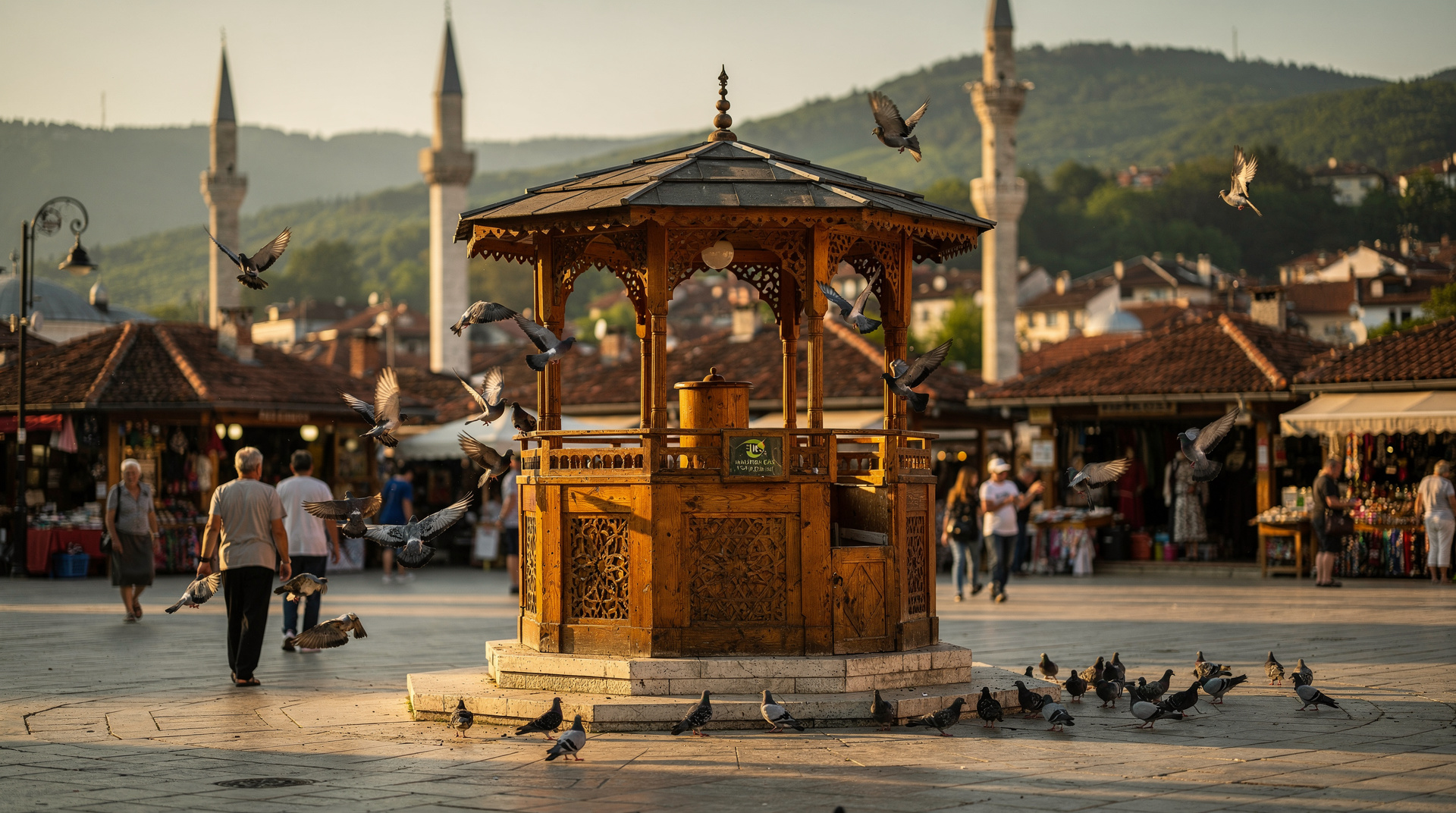
Visually, this is extraordinary. The mix of Ottoman, Austro-Hungarian, and Yugoslav architecture acquires a different character under snow. Baščaršija looks like something from a different century. The yellow Sarajevo roses in the pavement — the mortar impact memorials — are sometimes covered, sometimes stark against white stone.
The tourist crowds are almost entirely gone. The Tunnel of Hope has no queue. Walking tours are small or bookable privately at short notice. The restaurants and kafanas that were crammed with day-trippers in summer now contain mostly locals.
If you would rather have someone explain the layers of the old town while you stay on your feet in the cold, a guided walk through the old town with a local guide suits the quiet season well, since the groups are small and the pace is easy to adjust.
Skiing at Jahorina and Bjelašnica
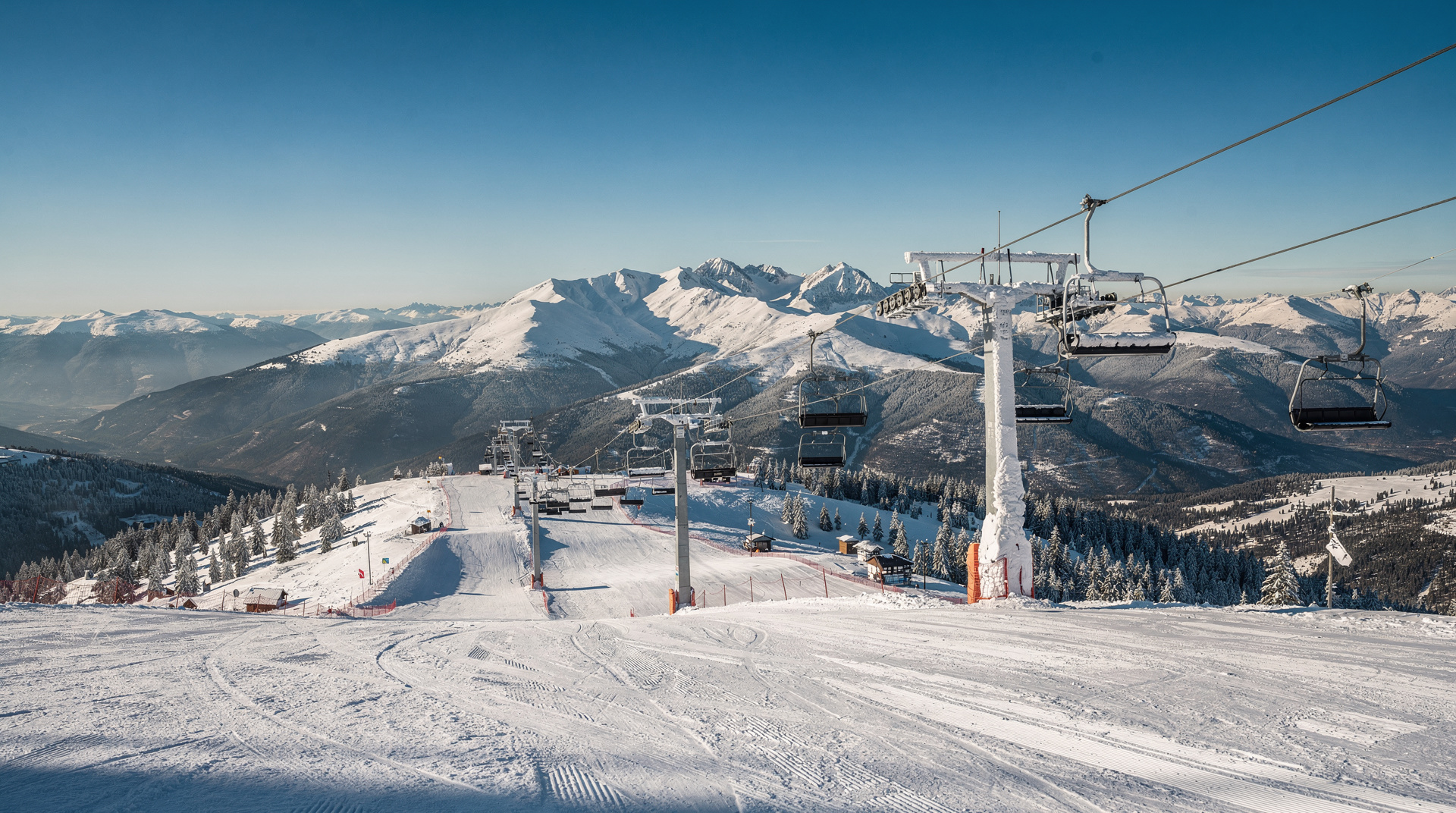
Sarajevo’s Olympic mountains are one of the great underrated ski destinations in Europe. Two mountains hosted the 1984 Winter Olympics: Jahorina (for women’s alpine events) and Bjelašnica (for men’s downhill). Both are within 30 kilometres of the city.
Jahorina has the larger ski area: 25 kilometres of pistes, a gondola, modern lifts installed in recent years, and accommodation right on the mountain. A day pass costs around 40–50 BAM (20–25 EUR) — a fraction of Alpine prices. Ski hire is available on the mountain.
Bjelašnica is smaller but has its own distinct charm: 16 kilometres of runs, access to the Lukomir plateau for off-piste touring, and the extraordinary combination of skiing in the morning and exploring Lukomir village in the afternoon (the village is accessible in winter by snowcat for the more adventurous).
The skiing guide covers both mountains with current lift information and accommodation options.
Travellers who care more about the Olympic story than the pistes can follow it on a guided tour of the 1984 Olympic mountains and the museum, which links the venues you will see from the slopes to the city below.
Day trip skiing from Sarajevo is entirely feasible — transfer options run from the city to both mountains. Staying on the mountain for two or three nights is the better option if you are serious about skiing, as you get the early morning light and avoid the weekend transfer rush.
The kafana culture
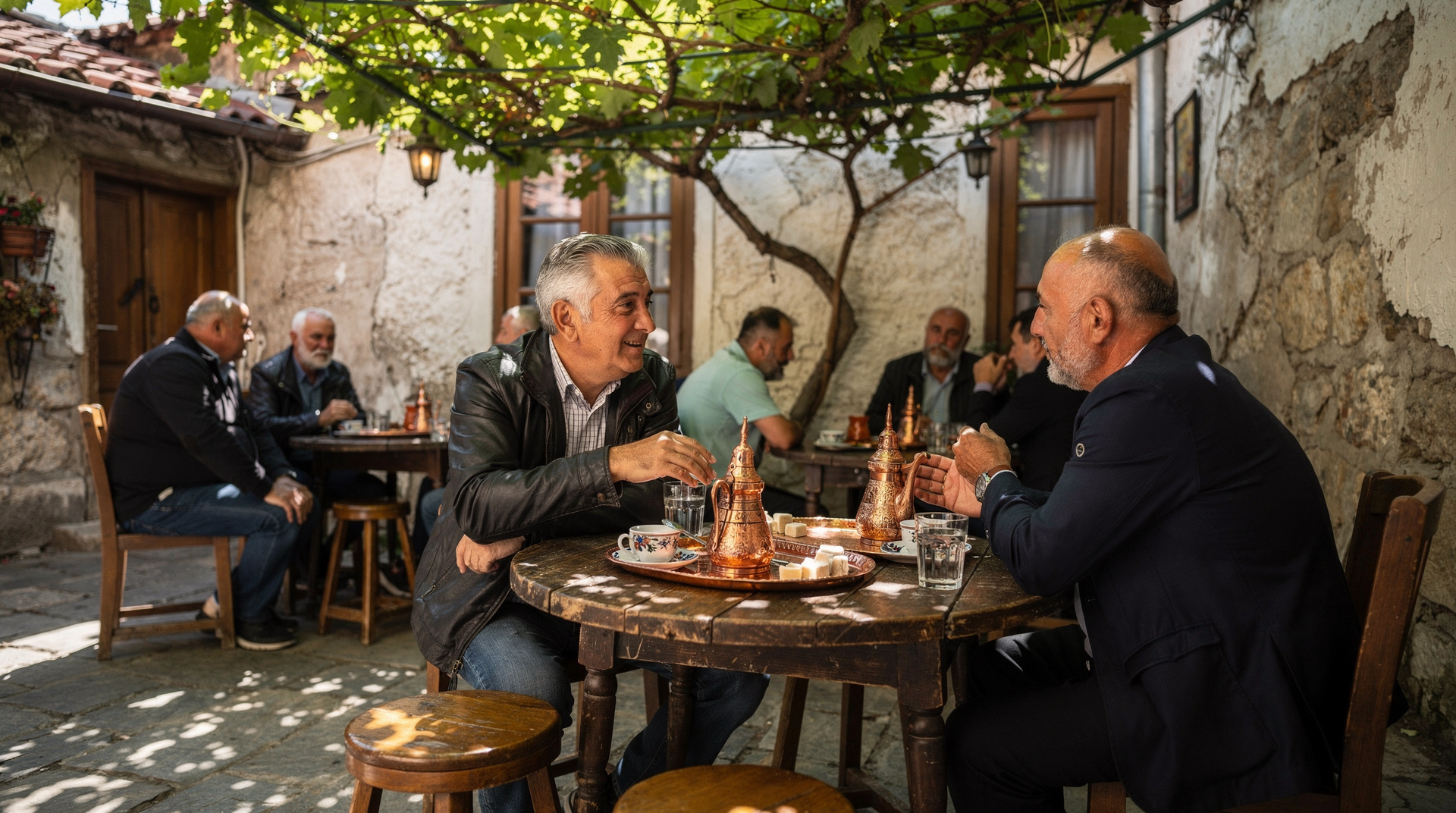
Bosnia’s kafanas — traditional inns and coffee houses — come into their own in winter. These are not sophisticated cocktail bars. They are places with wooden furniture, efficient heating, strong coffee, and a slightly hazy atmosphere if a game is on. They are not designed for tourists and they are all the better for it.
A winter afternoon in Sarajevo is ideally spent: museum or historical site in the morning, lunch at a čevabdžinica, kafana for coffee and rakija in the mid-afternoon, dinner at a traditional restaurant.
The Sarajevo cafés guide has specific recommendations. In winter, the Baščaršija courtyard cafés lose some of their charm (sitting outside in January is not appealing) but the indoor spaces warm up considerably.
What to do in winter
Most of the city’s historical and cultural attractions are unaffected by weather:
- Sarajevo war and Tunnel of Hope tours run year-round with smaller groups
- The National Museum and War Childhood Museum are indoor experiences
- Baščaršija and the old town are walkable if you dress appropriately
- The cable car to Trebevic mountain runs on a seasonal schedule and is closed on some weekdays; check zicara.ba before you go
For the siege history without organising transport yourself, a full-day tour taking in Tito’s bunker and the Tunnel of Hope keeps most of the day indoors or in a warm vehicle, which is a real advantage in January.
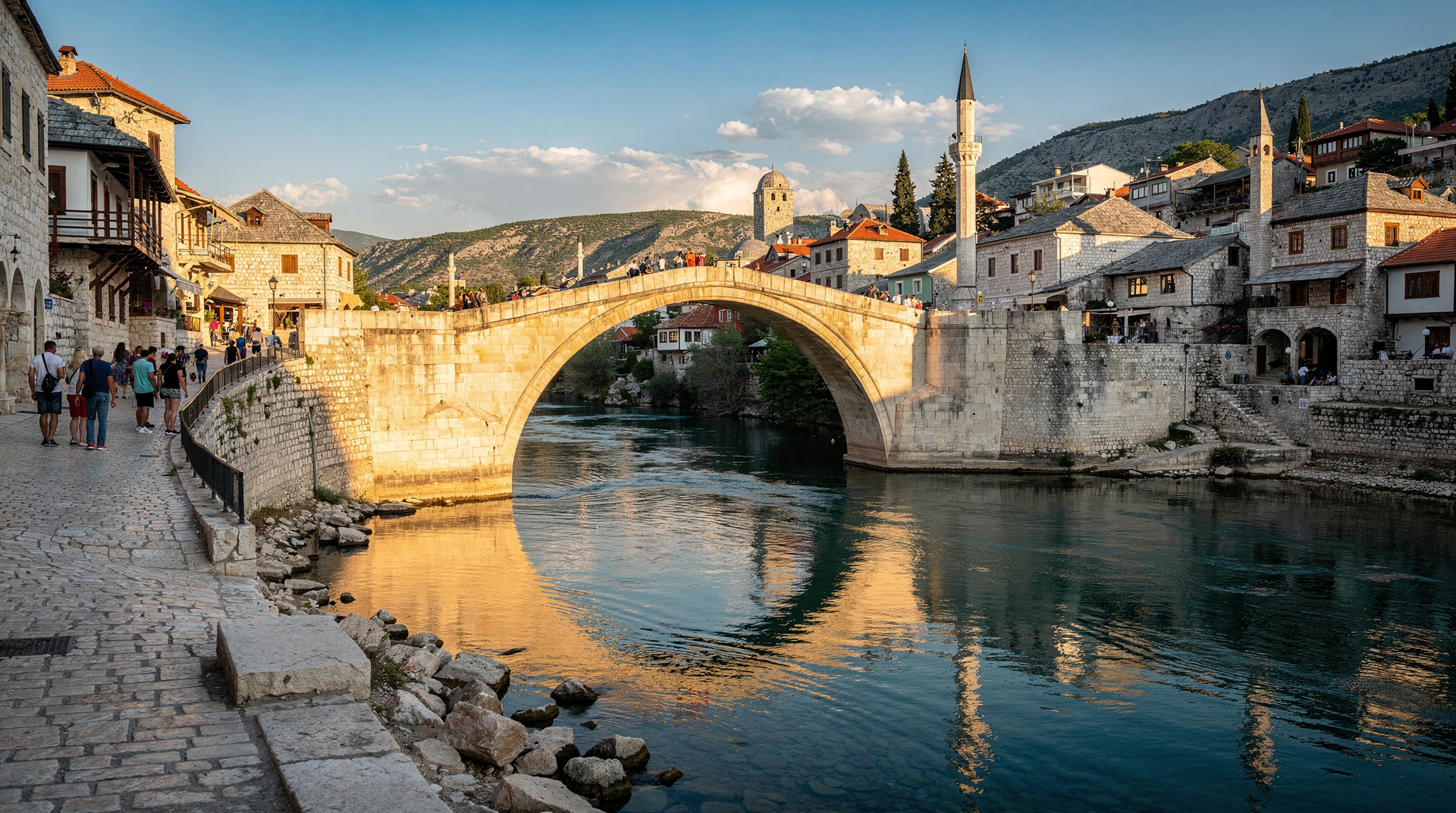
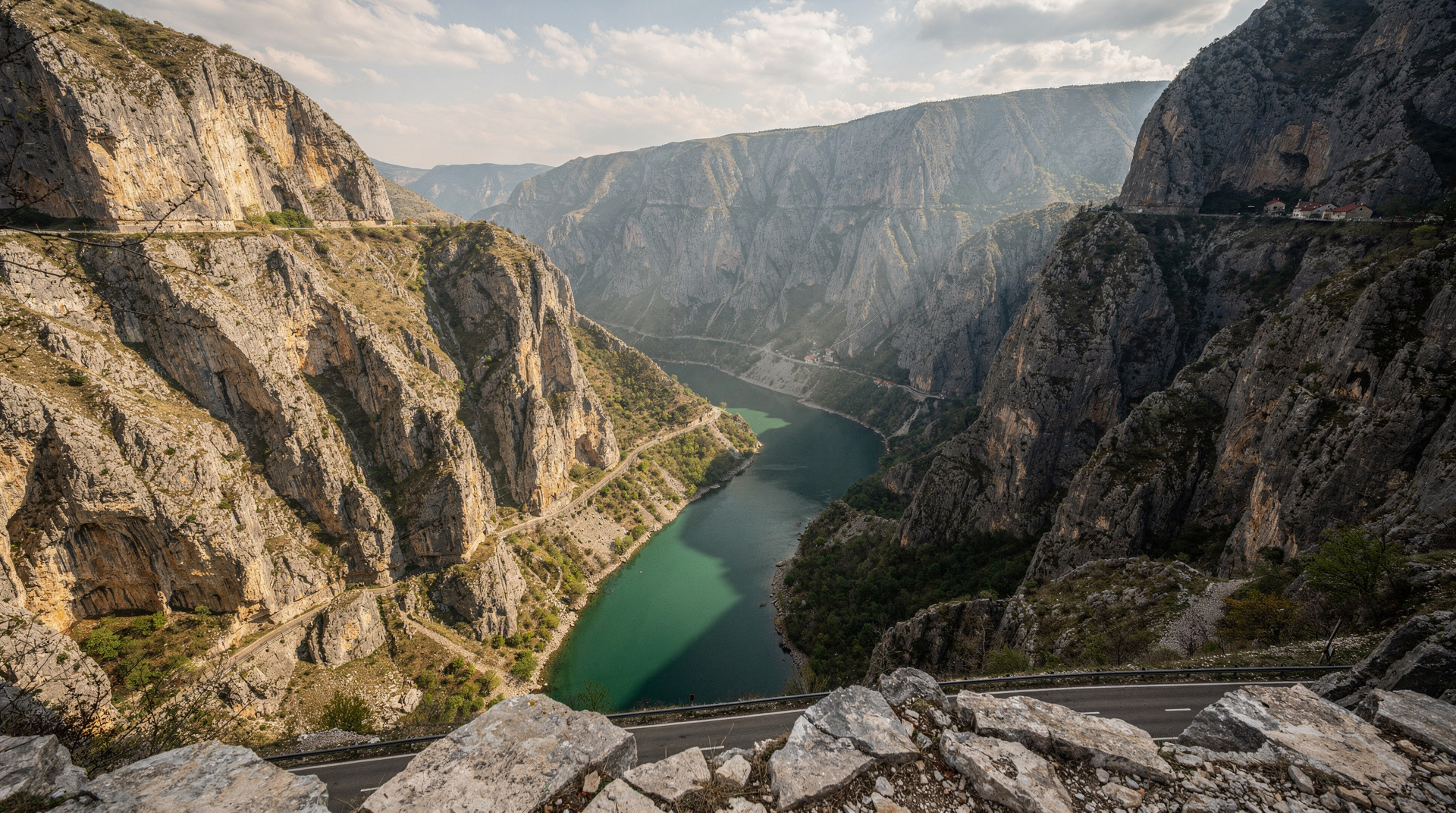
Some day trips are harder in winter: Lukomir village requires snowshoes or snowcat in deep winter. The Neretva canyon road to Konjic is usually clear but can close after heavy snowfall. Mostar is accessible year-round and actually pleasant in winter without the summer heat and crowds.
Shaping a winter day in the city
Winter rewards a slow rhythm. Start indoors, where the heating is good and the rooms are quiet: the War Childhood Museum and the other museums of Sarajevo are easy to enjoy without queues. If you want the historical thread behind what you see, the Tunnel of Hope guide and the blog’s personal account of the siege give context before you go out into the cold.
Midday is for food. The best restaurants in Sarajevo are at their most welcoming when the weather pushes everyone inside, and a plate of grilled meat at a čevapi house is exactly the right fuel for a snowy afternoon. Afterwards, slow down over a small copper pot of coffee — the Bosnian coffee culture guide explains the ritual, and it is a much better way to spend an hour in January than hurrying between sights.
If the sky clears, head up to Trebević mountain for views over a white city, or follow the Olympic story in the 1984 Winter Olympics guide, which makes the abandoned venues and the nearby ski slopes mean more. For the holiday weeks specifically, see Sarajevo in winter and at Christmas.
Building the trip
Two ready-made routes help if you would rather not plan from scratch. The Sarajevo 4-day deep dive fits winter well because most of it is indoors or short walks, and the best day trips from Sarajevo list tells you which excursions stay sensible in the cold. The Mostar day trip from Sarajevo is the easiest one to keep on the schedule. First-timers will also find the blog’s first time in Sarajevo notes reassuring, and the main Sarajevo destination page pulls everything together.
For the mountains, Bjelašnica and Igman are the closest high ground to the city, so they make a natural half-day when the valley is grey.
What closes or reduces
A number of summer-oriented activities are suspended or reduced:
- Rafting on the Una and Neretva rivers is typically not available December–March
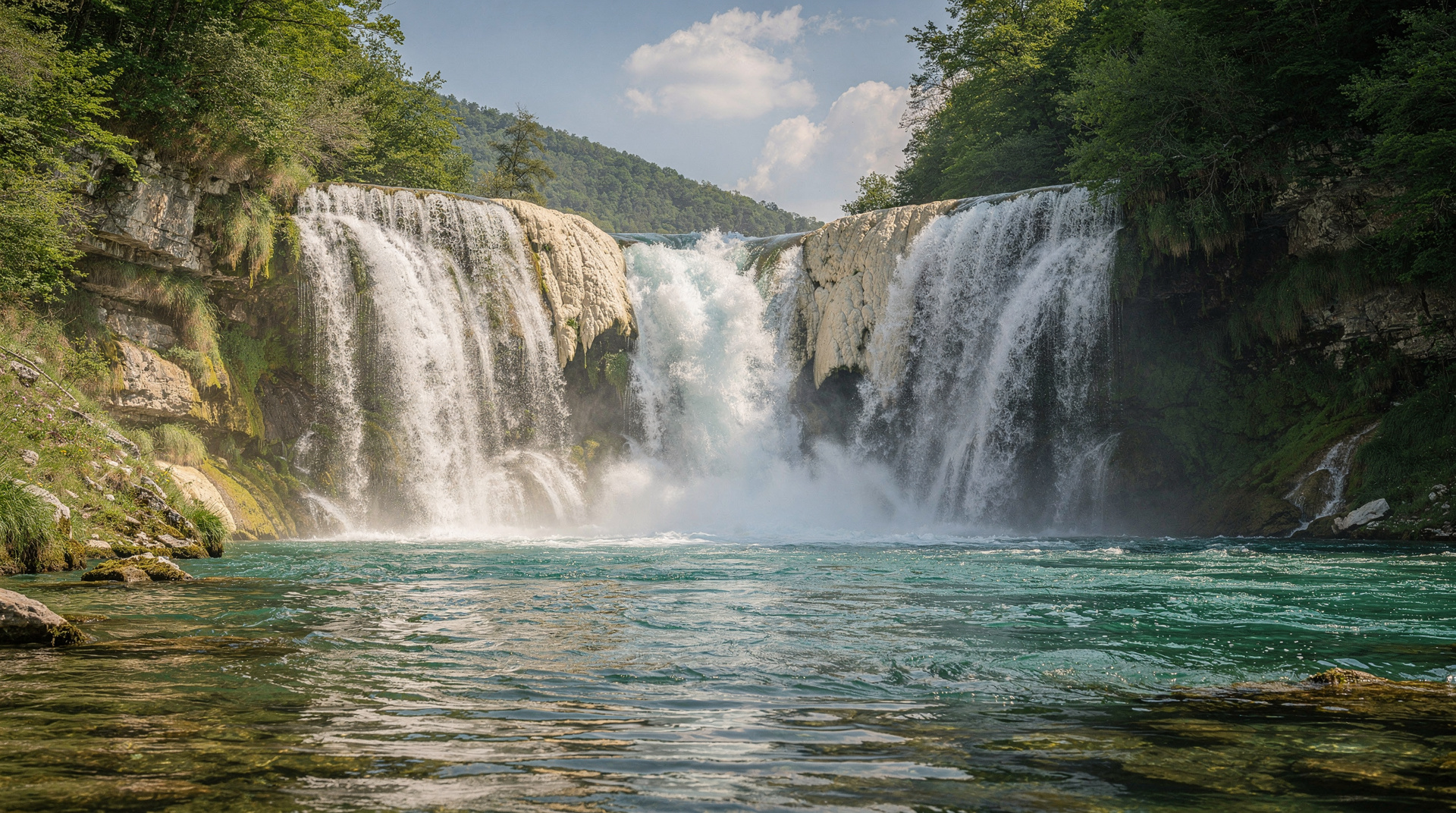
- Kravice Falls is open but the natural beach area is not; the falls themselves are worth seeing in winter
- Some day-trip operators run reduced winter schedules
Practical considerations
Clothing: Pack warm layers. Inner-city temperatures are typically -2 to 5°C in January. Wind chill is significant on the mountains. Good waterproof walking shoes are essential for the city; proper ski gear for the slopes.
Transport: Public bus within Sarajevo runs normally. Intercity buses to Mostar (2.5 hours, around 18 BAM) and elsewhere run year-round. Taxis and Bolt function normally. Snow tyres are standard on local vehicles; ensure your rental car has them if you are driving in winter.
Accommodation prices: Down significantly from summer — often 20–30% lower. Weekends at the ski mountains can be busy (Sarajevo locals ski), but midweek is uncrowded. The where to stay in Sarajevo guide compares neighbourhoods.
Arriving and getting around: The Sarajevo airport guide covers the way into town, and public transport in Sarajevo explains the buses and trams you will use between sights.
The honest recommendation
If you have flexibility in your travel dates and are not specifically there for outdoor summer activities, winter is one of the better times to visit Sarajevo. The city’s historical and cultural depth is entirely weather-independent, the kafana culture is at its most welcoming, and the ski opportunities are genuinely excellent value.
The Bosnia in winter guide has broader coverage of other winter destinations in the country if you want to extend beyond Sarajevo.
Sarajevo winter vs. Sarajevo summer
| Winter (Dec–Feb) | Summer (Jun–Aug) | |
|---|---|---|
| Crowds | Minimal, mostly locals | Heavy at Baščaršija and the Tunnel of Hope |
| Weather in the city | Cold, often grey (-2 to 5°C), 10–15 snow days in January | Hot, dry, 25–32°C |
| Ski mountains | Open, Jahorina and Bjelašnica in season | Closed for skiing; hiking-only |
| Accommodation | 20–30% cheaper | Peak prices, book ahead |
| Kafana atmosphere | Warm, indoor, full of regulars | Courtyard seating, more tourist-facing |
| Rafting (Una/Neretva) | Not running | Prime season |
For travellers whose priority is skiing plus a genuinely local city atmosphere, winter wins clearly. For travellers who want to combine Sarajevo with rafting or the Kravice Falls swimming beach, summer is the better call — see Bosnia in summer for that version of the trip.
Where to stay for a winter trip
Baščaršija itself is the obvious base for the city portion — walkable to everything, and hotel prices drop noticeably compared to summer. If skiing is the priority rather than an add-on, staying two or three nights directly on Jahorina rather than commuting from the city removes the daily transfer and gets you first tracks. A hybrid trip — three nights in Sarajevo, two on the mountain — is the pattern most winter visitors settle on, and it also leaves room for a day trip to Mostar, which is quieter and arguably more atmospheric in winter than in the summer crush.
Frequently asked questions about Winter in Sarajevo — a case for going in the cold
Is Sarajevo worth visiting in winter? Yes — the historical sites are entirely weather-independent, the kafana culture is at its warmest and most local, and two Olympic ski mountains are 30 minutes away. It suits travellers who don’t need summer heat or rafting.
How cold does it get in Sarajevo in January? City temperatures typically run -2 to 5°C, with 10–15 snowfall days. It’s colder and windier on the surrounding mountains, where ski conditions are usually reliable through February.
Top experiences
Bookable activities with verified prices and instant confirmation on GetYourGuide.