Is Bosnia worth visiting in 2023? An honest answer
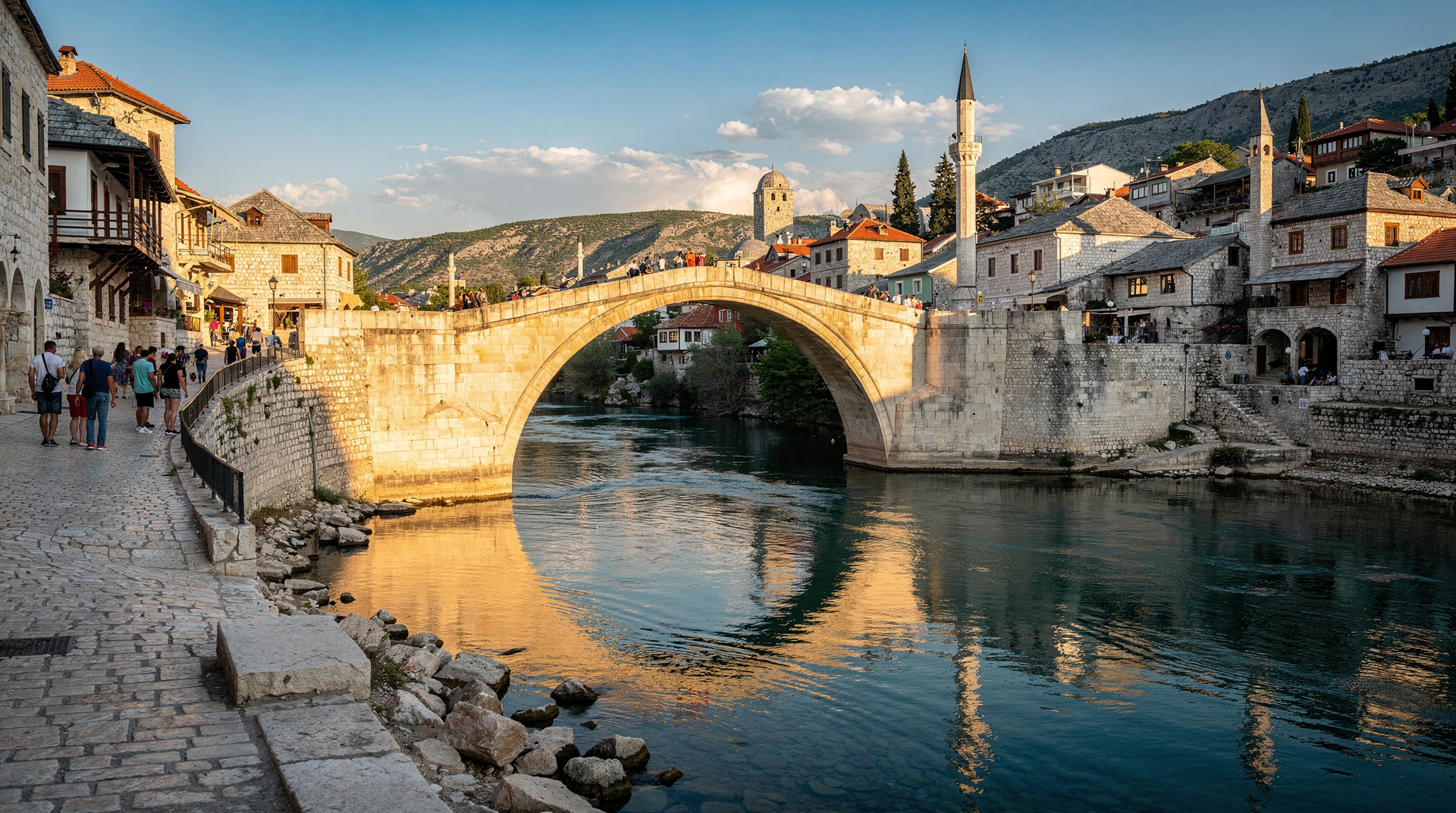
Bosnia has been having a moment. Travel media that ignored it for years has belatedly discovered it. The Sarajevo-Mostar route, for years a secret between independent travellers, has been absorbed into the mainstream Balkans circuit. The summer crowds at Stari Most have grown.
Does that change whether it is worth visiting? And is it still worth the effort for someone who wants something beyond the Balkans greatest hits?
| At a glance | |
|---|---|
| Best fit for | History, culture, and outdoor travellers; less so beach-first travellers |
| Cost vs neighbours | Noticeably cheaper than Croatia for comparable quality |
| Minimum time to make it worthwhile | Around 5 days (3 Sarajevo, 2 Herzegovina) |
| Best months | May, June, September, October |
| Busiest spot to time carefully | Mostar’s Stari Most in July–August |
What Bosnia genuinely has
Start with what is actually good, and honestly good:
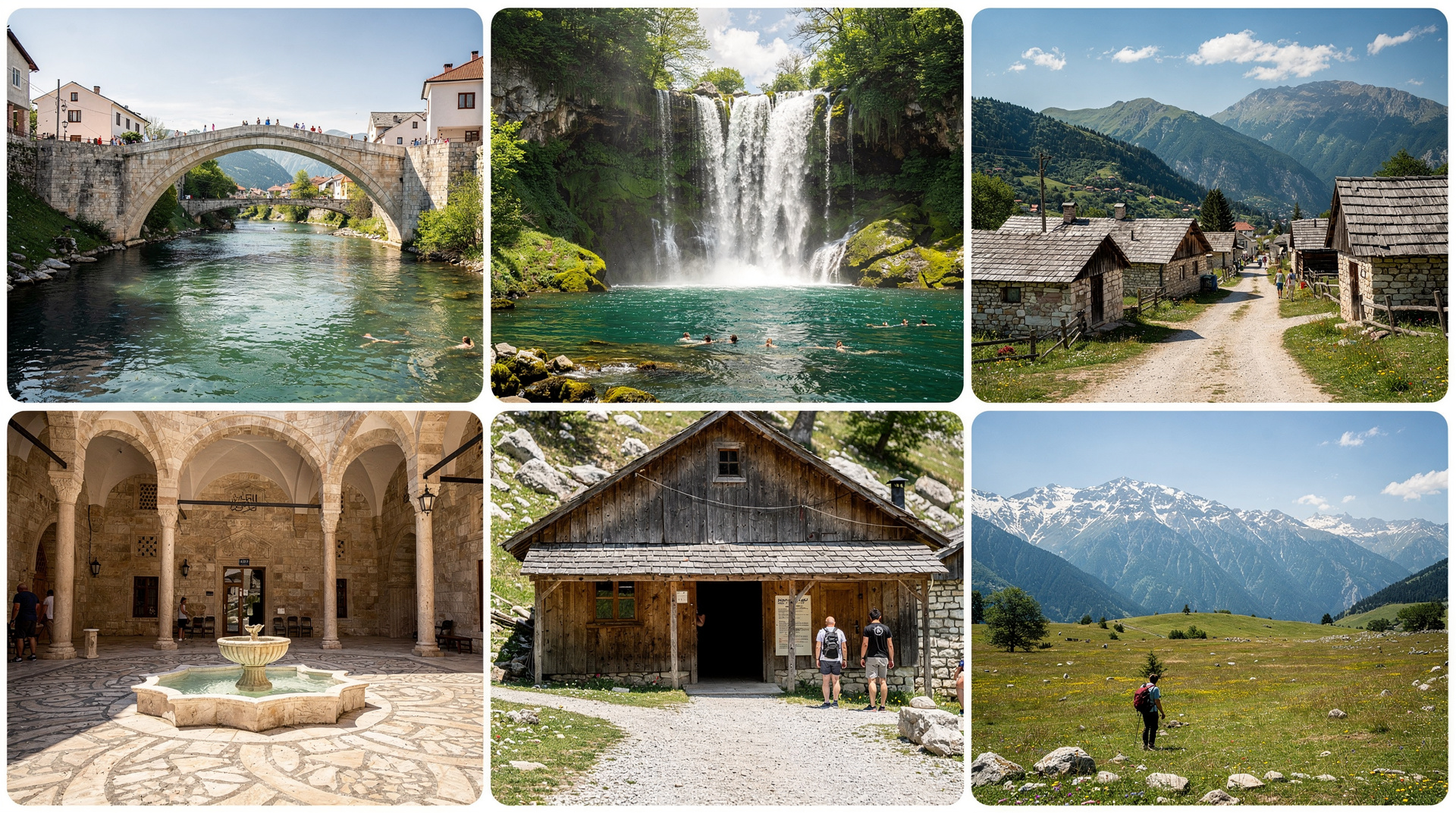
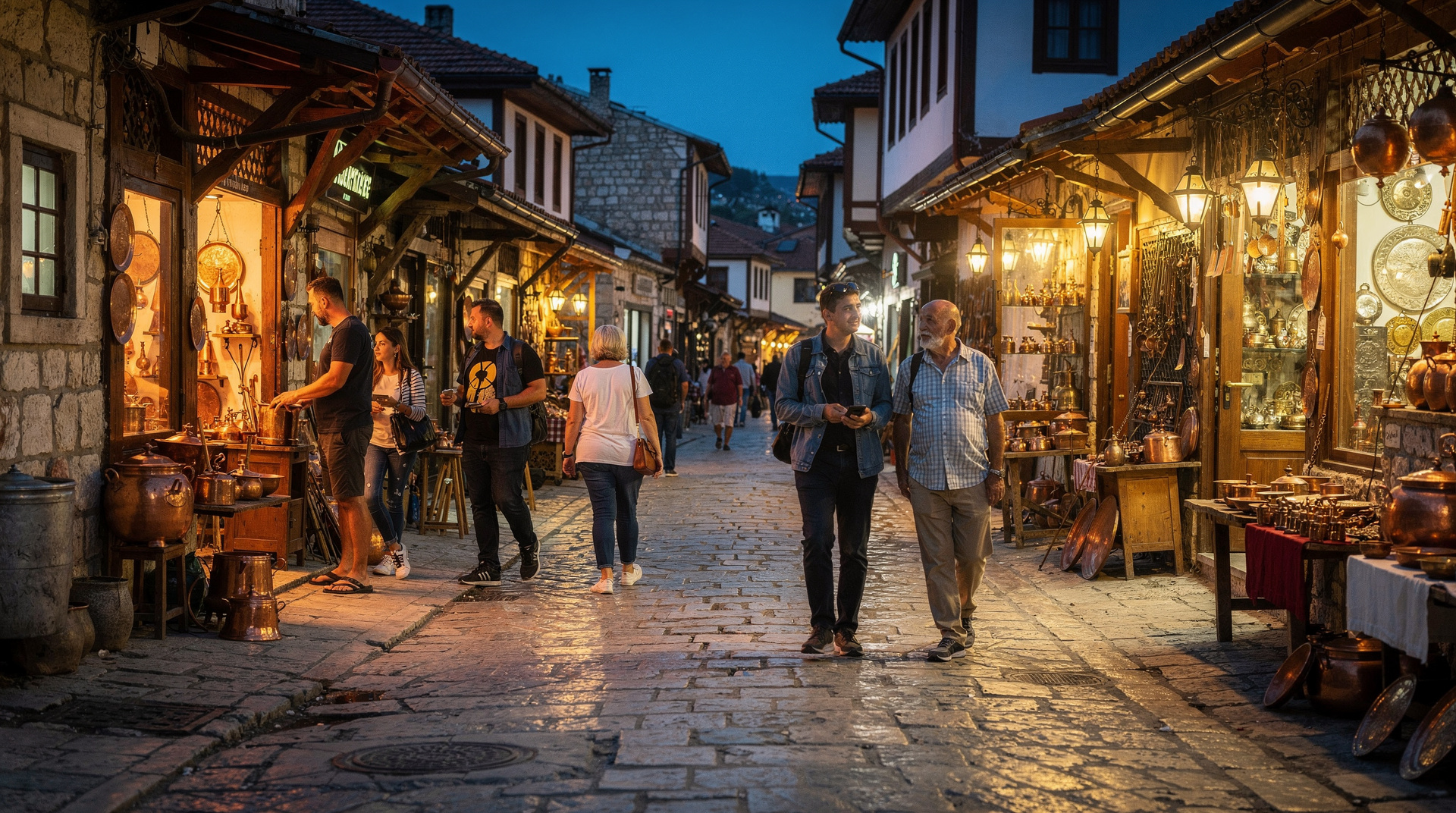
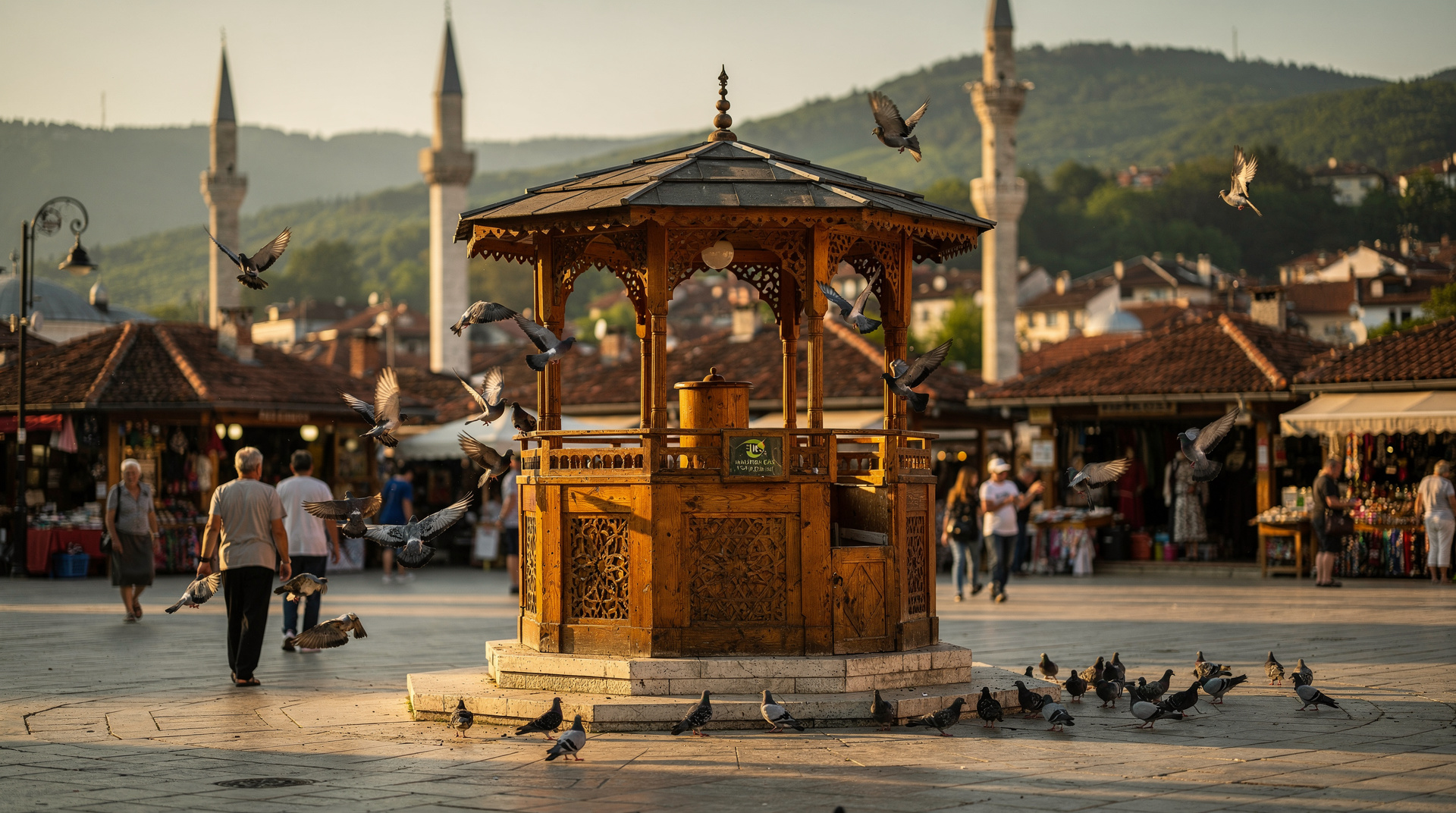
Sarajevo is one of Europe’s most distinctive capitals. The Ottoman-Habsburg-Yugoslav layers in a single city, the recent war history that is visible and confrontable in a way that matters, the excellent food, the extraordinary café culture — these are real and substantial. Three days in Sarajevo is time well spent for anyone interested in history, culture, or places where things actually happened.
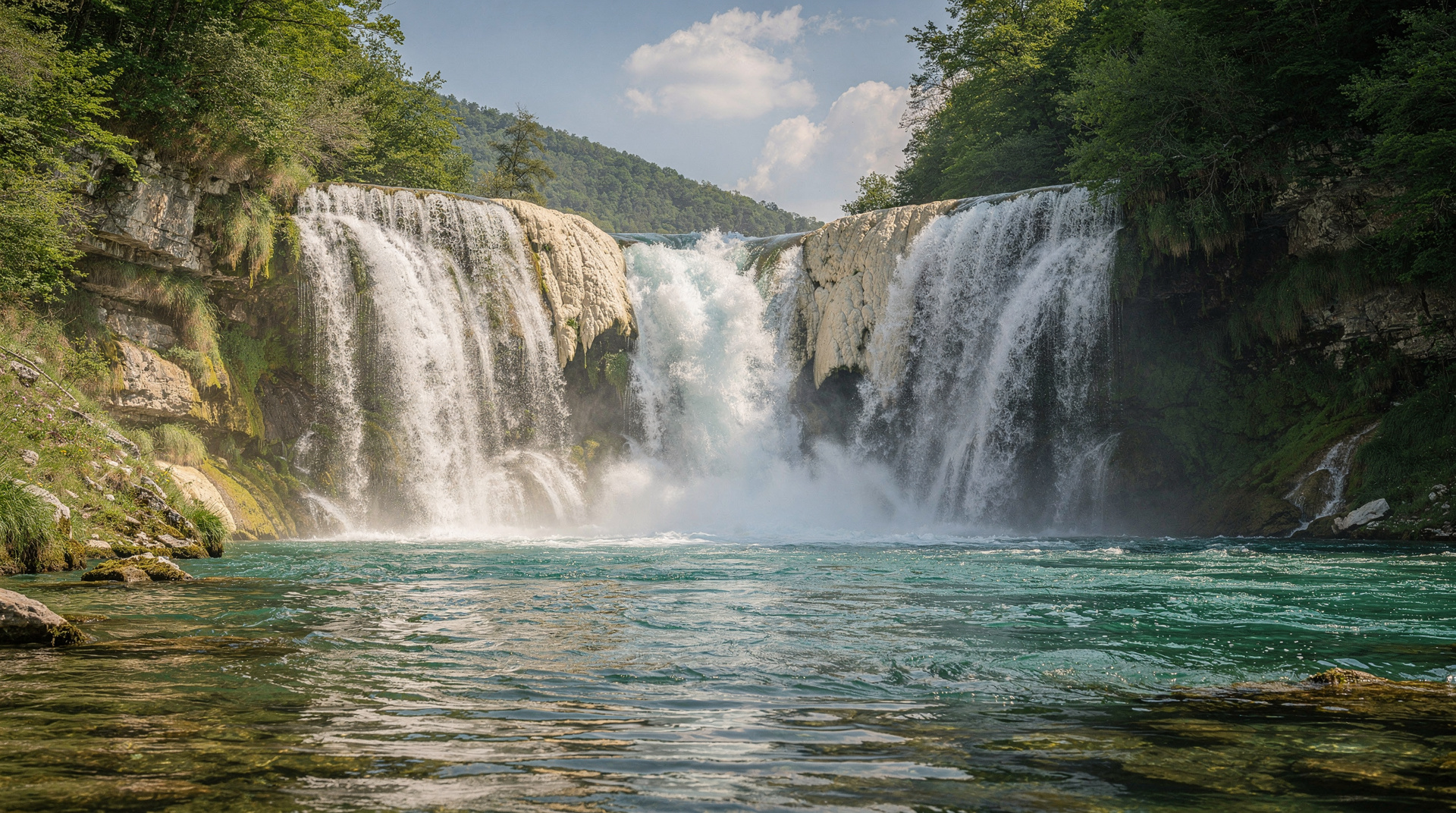
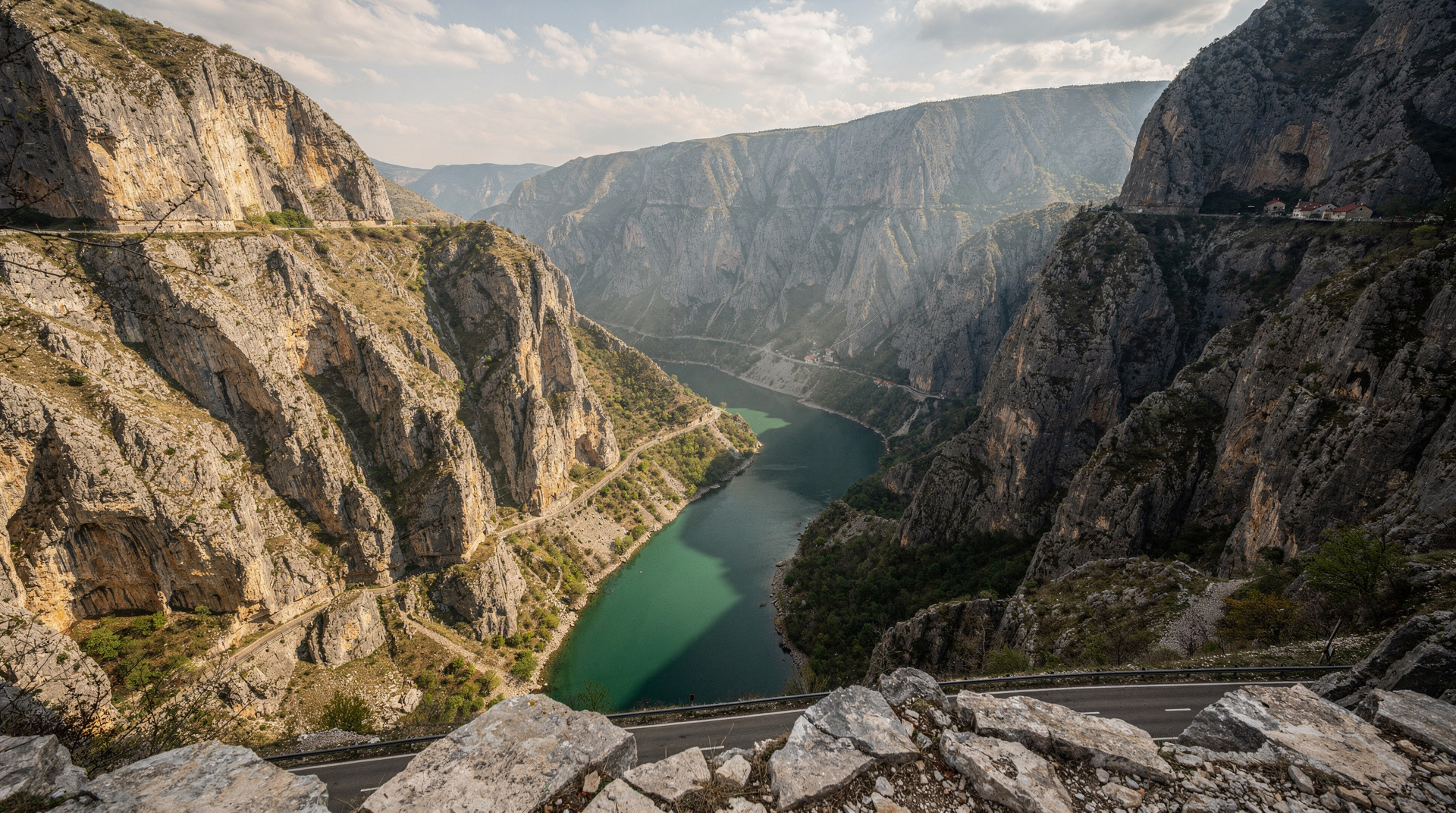
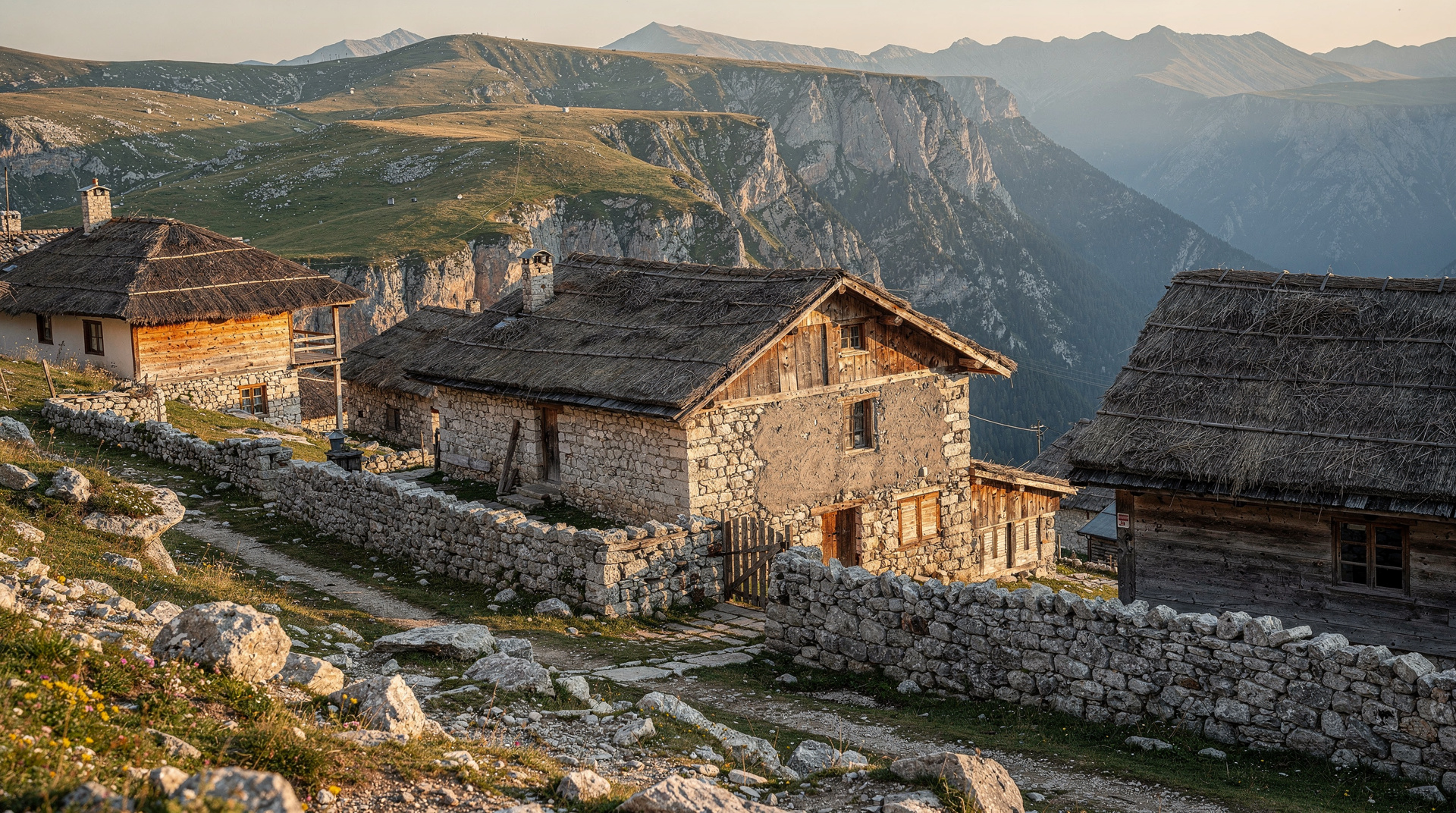
The nature is world-class and largely undiscovered. Sutjeska National Park with its primeval forest and highest peaks. The Una National Park with its turquoise river and exceptional rafting. The Rakitnica canyon below Lukomir. The quality of these places is genuinely comparable to Slovenia or Croatia; the crowds are a fraction.
The value. Bosnia is still significantly cheaper than Croatia. Good restaurants, comfortable guesthouses, excellent tours — at prices that allow mid-range travellers to live well rather than economising.
The authenticity of the less-visited parts. Trebinje, Blagaj, the Travnik valley, Počitelj — these are not tourist constructs. They are living places that happen to be worth visiting.
What has changed by 2023
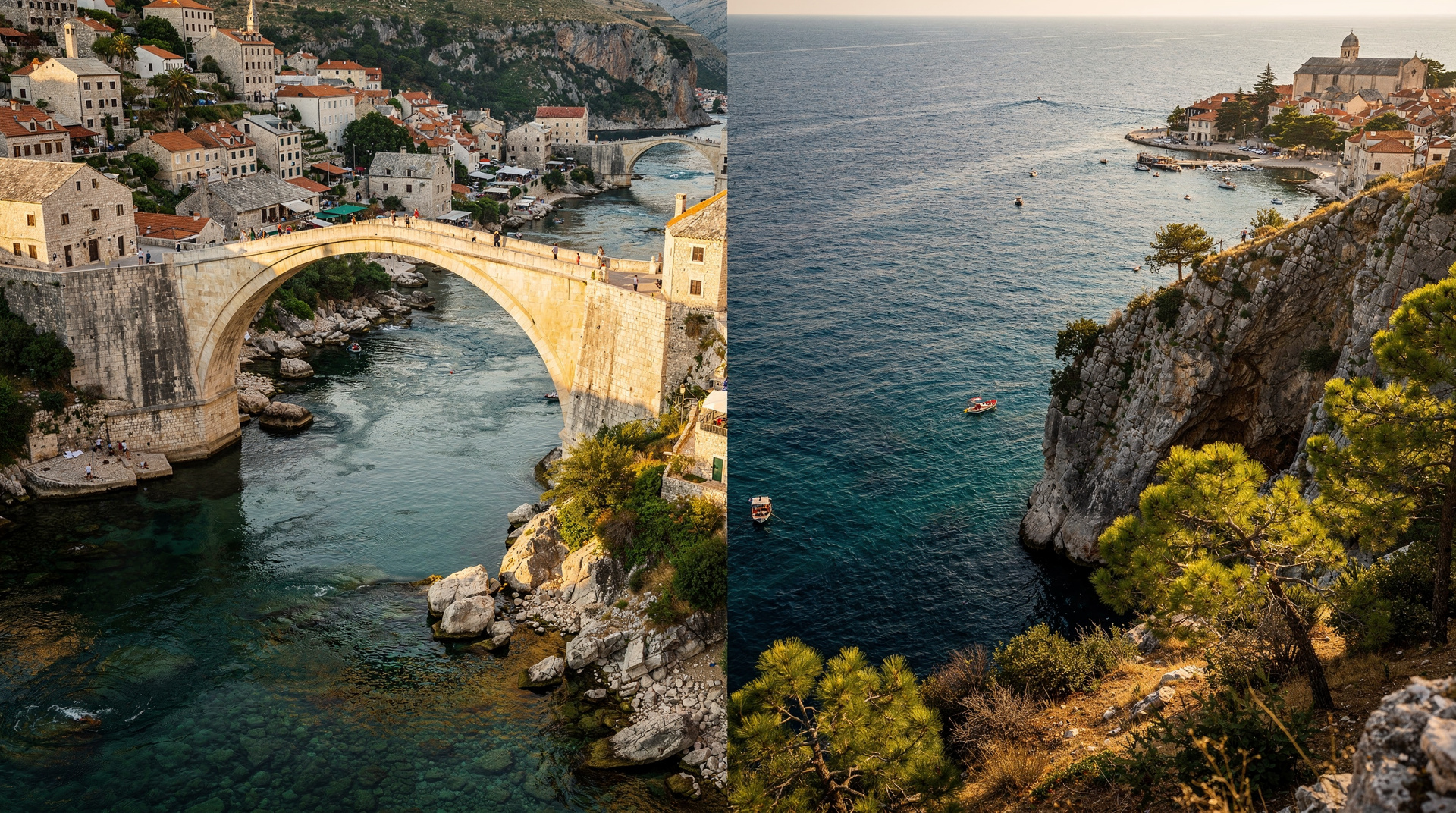
Mostar in high season is more crowded than it was five years ago. The bridge approach lanes in July and August are now definitively touristic in the same way as Dubrovnik’s old town or Český Krumlov. This does not make Mostar bad — it makes timing matter more.
Sarajevo remains manageable. The city is large enough to absorb tourism without being overwhelmed. The Tunnel of Hope books up faster than it used to; plan ahead.
The less-visited places (Sutjeska, Una, Trebinje, Lukomir) are exactly as uncrowded as they have always been. If anything, improved infrastructure makes some of them marginally more accessible.
GYG day trips from Dubrovnik and Split have grown significantly. Many visitors to Mostar now arrive on day trips from the coast, see the bridge in peak afternoon hours, and leave. This is a legitimate way to experience Mostar; it is not a way to experience Bosnia.
If you are based on the coast and short on time, a guided option can still make sense, as long as you treat it as a taster. a day trip to Mostar from Dubrovnik takes the driving and the border crossings off your hands, and the Mostar from Dubrovnik guide explains what to expect. Visitors starting in Zadar have a similar choice with a full-day excursion to Mostar from Zadar. Just keep in mind that a single day gives you the bridge, not the country.
What Bosnia still lacks
Coastline: Nine kilometres at Neum — not a beach holiday.
Consistent English: In Sarajevo and Mostar, English is spoken widely in tourism contexts. In smaller towns, less so. This is not a problem with patience; it can be a friction for visitors used to seamless English communication.
Motorway coverage: The main routes are good. Off-route driving is slow. This limits how much ground you can cover efficiently.
Some tourist infrastructure: Booking systems for smaller operators can be awkward. Some sites have limited opening hours or seasonal closures without reliable online information. Bosnia rewards flexibility.
Timing it right, season by season
| Season | Weather | Crowds | Verdict |
|---|---|---|---|
| Spring (Apr–Jun) | Mild, green, rivers high | Low–moderate | Excellent for hiking and rafting |
| Summer (Jul–Aug) | Hot, 30°C+ inland | High at Mostar/Kravice | Good but plan around crowds; see Bosnia in summer |
| Autumn (Sep–Oct) | Mild, clear | Low | Arguably the best window overall |
| Winter (Nov–Mar) | Cold, snow in the mountains | Very low | Sarajevo is atmospheric; skiing at Jahorina/Bjelašnica |
None of this replaces basic planning. Renting a car opens up the less-visited places fastest; without one, buses cover the main towns reliably but day trips take longer. And a handful of avoidable mistakes shape whether a trip here feels rewarding or frustrating.
The honest recommendation for different types of travellers
History and culture traveller: Bosnia is essential. Sarajevo should be on your list regardless of whether the rest of the country interests you. The siege history, the Ottoman legacy, the Vienna Secession architecture, the Jewish heritage — the density of historical interest is exceptional.
Adventure and nature traveller: Bosnia is excellent. Una rafting, Neretva rafting, Sutjeska hiking, Lukomir trekking — all of it very good, almost none of it crowded.
Beach and relaxation traveller: Bosnia is not your primary destination. Visit as part of a Croatia trip for context and contrast; don’t base a beach holiday here.
Balkans multi-country trip: Bosnia should be more than a day stop. Two to three days minimum for Sarajevo; another two for Mostar and Herzegovina. See the Bosnia-Croatia itinerary for how to combine them properly.
For travellers who prefer someone else to handle the logistics, a private multi-day tour covering Sarajevo, Mostar and Jajce is a way to see more of the country than a day trip allows, without renting a car. It suits those who want the highlights in a compact format and still plan to come back for the quieter regions later.
Before you decide: three practical questions
Will I feel comfortable on the ground? Most visitors find Bosnia welcoming and easy once they have a basic routine. The is Bosnia safe guide covers the real concerns calmly, and it is worth reading before you book rather than after you land.
Can I get around without stress? Between the main towns the practical options are simple, and getting around Bosnia explains how they fit together. The further you go from Sarajevo and Mostar, the more a little patience and a flexible plan pay off.
Will it fit my budget and my style? Bosnia suits travellers who like to eat well and sleep comfortably without overspending. If money is tight, Bosnia on a budget shows where the savings are easiest. For somewhere to base yourself, the Sarajevo where to stay guide and the Mostar where to stay guide help you choose a neighbourhood that matches how you travel.
Getting more from the trip
Much of what makes Bosnia rewarding is context. A little reading on Bosnia’s history for travellers turns a bridge, a street corner or a village into something with a story, and it changes how the whole country feels. In the same spirit, the Bosnian food guide is worth a look before you arrive, because meals are one of the easiest ways to connect with the place.
If the crowds at the famous sights are your main worry, the guide to avoiding crowds in Bosnia gathers the timing and routing choices that make the biggest difference. Combined with a flexible schedule, they let you enjoy the highlights without the worst of the midday rush.
Is it still worth visiting?
Yes. The honest answer is that Bosnia in 2023 is more visited than it was in 2015, and the most famous parts show it. But the country is large enough and varied enough that the crowds are concentrated in specific places at specific times, and the rest remains genuinely rewarding.
The best time to visit Bosnia matters more now than it used to. May, June, September, and October remain excellent — Mostar’s crowds thin, the weather is ideal, the outdoor activities are at full operation.
Bosnia has not been ruined by tourism. It has simply been found. The difference between visiting it well and visiting it badly is mostly a matter of timing and routing — both of which are covered in the planning guide.
Frequently asked questions about Is Bosnia worth visiting in 2023? An honest answer
Is Bosnia worth visiting if I’ve already done Croatia? Yes — Bosnia offers a different kind of trip, heavier on history and inland nature and lighter on coastline. The Bosnia vs Croatia guide breaks down the practical differences.
How many days should I spend in Bosnia? Five days is a reasonable minimum — three in Sarajevo, two in Herzegovina (Mostar, Kravice, Blagaj). The how many days in Bosnia guide has fuller breakdowns for shorter and longer trips.
Top experiences
Bookable activities with verified prices and instant confirmation on GetYourGuide.